On The Religion of (Fake) Cheerfulness

“What?” cried Merton in an incredulous tone. “And the Religion of Cheerfulness—”

“It is a cruel religion,” said the priest, looking out of the window. “Why couldn’t they let him weep a little, like his fathers before him? His plans stiffened, his views grew cold; behind that merry mask was the empty mind of the atheist. At last, to keep up his hilarious public level, he fell back on that dram-drinking he had abandoned long ago. But there is this horror about alcoholism in a sincere teetotaler: that he pictures and expects that psychological inferno from which he has warned others. It leapt upon poor Armstrong prematurely, and by this morning he was in such a case that he sat here and cried he was in hell, in so crazy a voice that his daughter did not know it. He was mad for death, and with the monkey tricks of the mad he had scattered round him death in many shapes—a running noose and his friend’s revolver and a knife. Royce entered accidentally and acted in a flash. He flung the knife on the mat behind him, snatched up the revolver, and having no time to unload it, emptied it shot after shot all over the floor. The suicide saw a fourth shape of death, and made a dash for the window. The rescuer did the only thing he could—ran after him with the rope and tried to tie him hand and foot. Then it was that the unlucky girl ran in, and misunderstanding the struggle, strove to slash her father free. At first she only slashed poor Royce’s knuckles, from which has come all the little blood in this affair. But, of course, you noticed that he left blood, but no wound, on that servant’s face? Only before the poor woman swooned, she did hack her father loose, so that he went crashing through that window into eternity.”


G. K. Chesterton (from “The Three Tools of Death”, in The Innocence of Father Brown).

What is ‘standard English’?

After King Alfred’s victory over the Vikings in 878, the government of Southern England came to be established in London, which later became the capital of the whole of Britain. Because of this, the English spoken in London and the East Midlands was gradually adopted as the ‘official’ variety of English. And as time went by, this dialect (and its later developments, profoundly influenced by Norman French), became the ‘standard’ language- the form of English generally accepted for use in government, the law, business, education and literature. Standard English, like all standard languages, is therefore largely the result of historical accident. If the Vikings, who held the north of England, had defeated Harold’s army, the capital of modern Britain might well be York, and this book would be written in (and about) a very different kind of English.

Michael Swan. Practical English Usage (3rd Edition).

Resizing multiple image files

For the Ponyo post I had a bunch of PNG 853×480 screenshots. At first, the post used 300×168 images, resized by the blog’s engine, such as the below one:

However, the ideal width for images in this blog is about 600 pixels:

For resizing multiple files I recurred to ImageMagick command line tools (here are some Windows Binary Releases). On Windows command prompt, it’s enough to type:

forfiles /M *.png /C “cmd /c convert -resize 70% @file resized_@file”

That way all of the images will have resized versions, at 70% their original size, yielding a 597-pixels width.

Quadras

Poema de Fernando Pessoa (Lisboa, 1888 – Lisboa, 1935)


Eu tenho um colar de pérolas
Enfiado para te dar:
As pérolas são os meus beijos,
O fio é o meu pesar.

A Terra é sem vida, e nada
Vive mais que o coração…
E envolve-te a terra fria
E a minha saudade não!

Se ontem à tua porta
Mais triste o vento passou
Olha: levava um suspiro…
Bem sabes quem to mandou…

Entreguei-te o coração,
E que tatos tu lhe deste!
É talvez por estar estragado
Que ainda não mo devolveste…

A caixa que não tem tampa
Fica sempre destampada
Dá-me um sorriso dos teus
Porque não quero mais nada.

Duas hora te esperei
Dois anos te esperaria.
Dize: devo esperar mais?
Ou não vens porque inda é dia?

Dias são dias, e noites
São noites e não dormi…
Os dias a não te ver
As noites pensando em ti.

Teus brincos dançam se voltas
A cabeça a perguntar.
São como andorinhas soltas
Que inda não sabem voar.

Ó minha menina loura,
Ó minha loura menina,
Dize a quem te vê agora
Que já foste pequenina…

Levas uma rosa ao peito
E tens um andar que é teu…
Antes tivesses o jeito
De amar alguém, que sou eu.

Rosa verde, rosa verde…
Rosa verde é coisa que há?
É uma coisa que se perde
Quando a gente não está lá.

Tenho vontade de ver-te
Mas não sei como acertar.
Passeias onde não ando,
Andas sem eu te encontrar.

O burburinho da água
No regato que se espalha
É como ilusão que é mágoa
Quando a verdade a baralha.

Boca com olhos por cima
Ambos a estar a sorrir…
Já sei onde está a rima
Do que não ouso pedir.

Não digas mal de ninguém,
Que é de ti que dizes mal.
Quando dizes mal de alguém
Tudo no mundo é igual.

Todas as coisas que dizes
Afinal não são verdade.
Mas, se nos fazem felizes,
Isso é a felicidade.

Todos os dias que passam
Sem passares por aqui
São dias que me desgraçam
Por me privarem de ti.

Não sei que grande tristeza
Me fez só gostar de ti
Quando já tinha a certeza
De te amar porque te vi.

Se há uma nuvem que passa
Passa uma sombra também.
Ninguém diz que é desgraça
Não ter o que se não tem.

Tens olhos de quem não quer
Procurar quem eu não sei.
Se um dia o amor vier
Olharás como eu olhei.

Ó loura de olhos tristes
Que me não quis escutar…
Quero só saber se existes
Para ver se te hei de amar.

Tenho umm livrinho onde escrevo
Quando me esqueço de ti.
É um livro de capa negra
Onde ‘inda nada escrevi.

Meu coração a bater
Parece estar-me a lembrar
Que, se um dia te esquecer,
Será por ele parar.

Tenho um desejos comigo
Que hoje te venho dizer:
Queria ser teu amigo
Com amizade a valer.

Dá-me um sorriso daqueles
Que te não servem de nada
Como se dá às crianças
Uma caixa esvaziada.

18 de noviembre

  • Día de La Virgen de Chiquinquirá. Anoche se escucharon muchos cañonazos de júbilo.
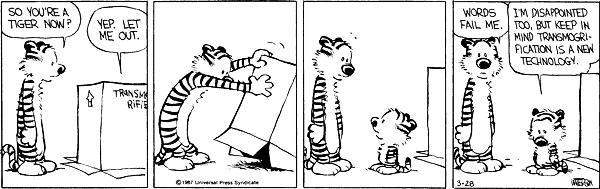
  • Hace 26 años, se publicó la primera tira de Calvin & Hobbes, favorito de la casa. Hoy debería yo imitar a Calvin en la imagen que escogí el año pasado.
  • El doodle de hoy conmemora el 224° cumpleaños de Louis Daguerre.
  • Un 18 de noviembre de 1907 nació Máximo Francisco Repilado Muñoz, el gran Compay Segundo. Y también un 18 de noviembre, de 1917, nació Pedro Infante. Agrego que Pedro Infante significó mi primera aproximación a la música popular. De hecho, creo recordar que la primera canción que me aprendí completa fue “La Calandria” (excluyendo, por supuesto, las canciones infantiles y escolares). Un grande, Pedro Infante. Una de las voces más melodiosas que he escuchado.

Beyond the Sun

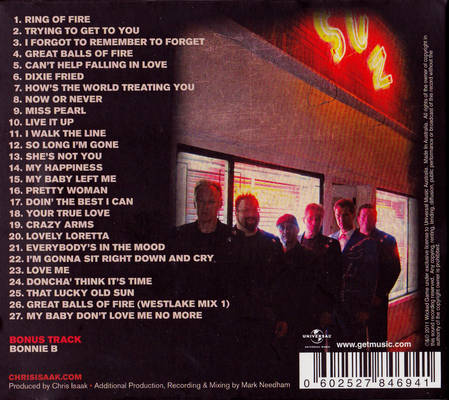
Do you like music by Chris Isaak? Do you love the sound of the mythical Memphis’s Sun Studio? Do you like music by Elvis, Roy Orbison, Johnny Cash, Carl Perkins, Jerry Lee Lewis, Howlin’ Wolf? Do you like rockabilly, country, blues, and overall, those tracks which shaped good ol’ rock ‘n’ roll? I do. Then you, like me, will enjoy the new Chris Isaak‘s album, Beyond the Sun.

Recommended.

Dos manjares venezolanos

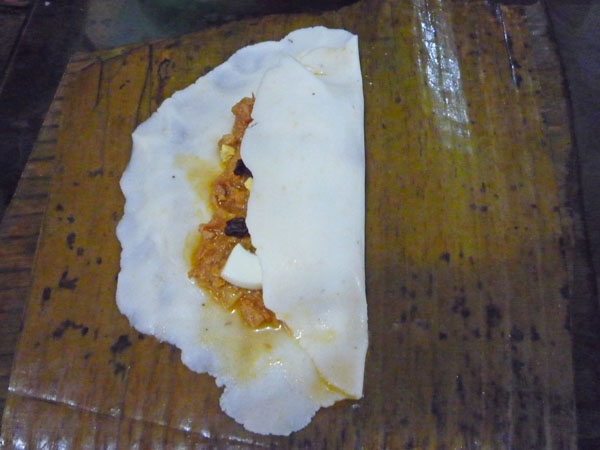
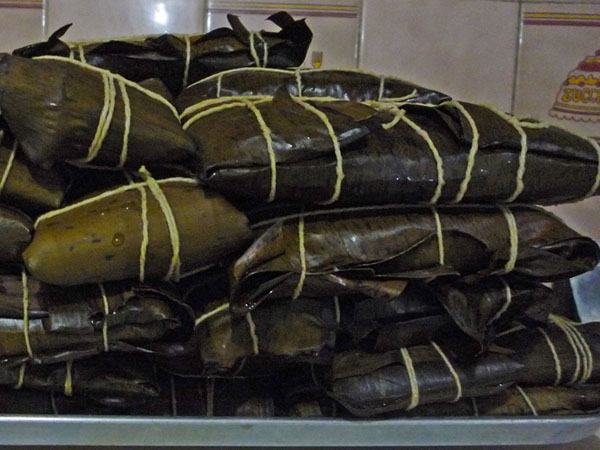
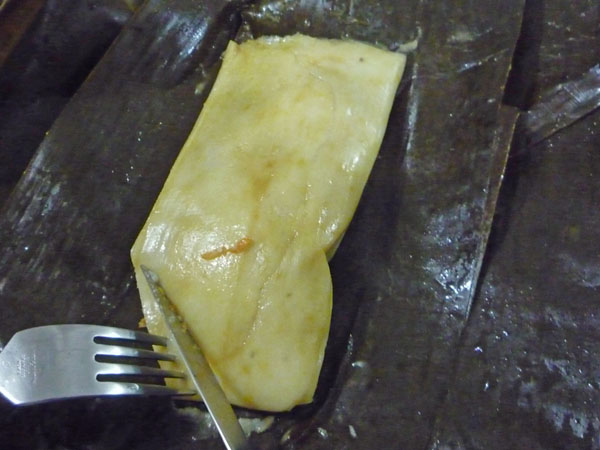
Hace pocos días comí las primeras hallacas de este año, deliciosas hallacas, otro anuncio de la navidad en Venezuela. Como era de esperar, las mejores hallacas son las de mi mamá.

Excelentes hallacas, sabor de casa. Si gusta, puede coronar su comida con un poco de dulce de mango, también por cortesía de la casa. Yo imagino que la ambrosía debe saber a dulce de mango :D. Y estos dos manjares venezolanos vienen muy bien para celebrar el triunfo de la vinotinto anoche.

Bochinche y más bochinche

Bochinche, bochinche, esta gente no sabe hacer sino bochinche.

Francisco de Miranda, la última madrugada de julio de 1812.


Nota: Esa madrugada, Carlos Soublette, edecán de Miranda, despierta al Generalísimo y le informa que un grupo de sus oficiales, entre los cuales estaban Simón Bolívar, Miguel Peña y Manuel María Casas, se habían presentado a esas horas. Dese preso, General -dice Bolívar. Entonces Miranda respondió con lo del bochinche. Frase perfecta y clarividente, resume buena parte de lo que ha sido la historia política venezolana posterior a esa madrugada.